
Ambitious Climate action
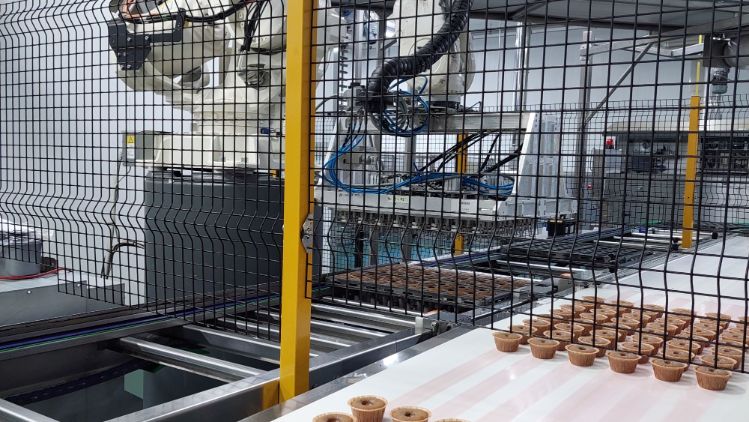
Our decarbonisation targets are validated by the Science Based Targets initiative, committing us to a 50.9% reduction in Scope 1 and 2 emissions by 2030. Renewable electricity, voltage optimisation and a switch to biomethane are already delivering measurable results across our UK sites.
Climate Change Action
In June 2025, Mademoiselle Desserts formally committed to the Science Based Targets initiative (SBTi), with its decarbonisation targets officially validated. Following the creation of Emmi Desserts, which brings together our UK, French, Belgian, Dutch, Italian and American businesses, the Science Based Targets adopted by our sites in the UK, France, Belgium and the Netherlands remain those originally committed to by Mademoiselle Desserts. These targets are now reported under the name of our holding company, Indulgent Moments.
The Science Based Targets initiative provides a globally recognised framework for reducing greenhouse gas (GHG) emissions in line with climate science and the goals of the Paris Agreement. By adopting these targets, we have committed to taking meaningful and measurable action to reduce the environmental impact of our operations and value chain.
The targets applicable to our sites in France, the United Kingdom, Belgium and the Netherlands are:
- Scope 1 and Scope 2 GHG emissions (absolute reduction): 50.9% reduction by 2030.
- Scope 3 GHG emissions per tonne of product sold (excluding agricultural products): 51.6% reduction by 2030.
- Scope 3 FLAG (Forest, Land and Agriculture) emissions related to agricultural products (absolute reduction): 30.3% reduction by 2030.
These ambitious targets reflect our commitment to reducing emissions across our operations, energy consumption, supply chain and agricultural sourcing. By working collaboratively with our suppliers, customers and colleagues across the Emmi Desserts business, we aim to play an active role in the transition to a lower-carbon future while continuing to deliver high-quality desserts for our customers and consumers.
Renewable electricity and voltage optimisation
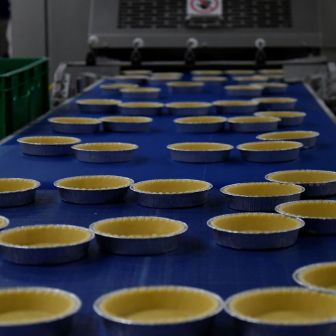
Since April 2024, our Maidenhead, Corby and Taunton sites have been supplied with contracted renewable electricity. In the UK, our renewable electricity comes from sources such as wind and solar power. Wind power is generated when the wind turns turbine blades, which drive a generator to produce electricity. This uses a similar principle to many conventional power stations, where coal or natural gas is burned to produce steam that drives turbines connected to generators. The key difference is that wind is a renewable resource, meaning it is naturally replenished and will not run out. In contrast, coal and natural gas are non-renewable resources because there is a finite supply available.
To further support our sustainable electricity initiatives, we have installed voltage optimisation units at our Taunton, Corby and Maidenhead sites. The voltage supplied by the electricity grid can vary, and any voltage above the level required by our equipment can result in unnecessary energy consumption, often dissipated as heat. Our voltage optimisation units reduce this waste by lowering the incoming voltage to a level that is closer to the design operating voltage of the equipment used on site. In the first year following installation, the unit at our Taunton site reduced annual electricity consumption by approximately 8%. This represents significant progress in making our electricity use more sustainable by both reducing overall demand and increasing our use of renewable electricity sources.
Biomethane gas
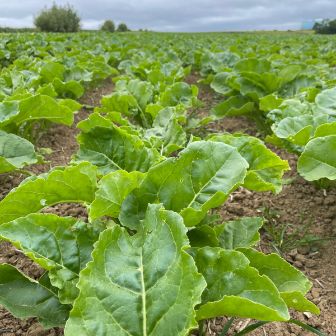
The next step in our journey towards more sustainable energy was to address our gas consumption. Conventional natural gas supplied through the grid is primarily composed of methane derived from fossil fuel sources. Fossil fuels are non-renewable and contribute significantly to greenhouse gas emissions. In 2025, we switched our gas contracts at our Corby, Taunton and Maidenhead sites from conventional natural gas to biomethane. Biomethane can be used in the same way as natural gas, but it is produced from renewable sources such as food waste, agricultural residues and other organic materials. As organic waste decomposes, it produces biogas containing methane. This methane can be captured, processed to biomethane quality, and injected into the gas grid for use in homes and businesses. Biomethane is considered a more sustainable alternative to conventional natural gas because it is produced from renewable waste materials and can help reduce greenhouse gas emissions compared with fossil fuel-derived gas. By transitioning to biomethane, we have taken another important step towards reducing the environmental impact of our energy consumption across our UK operations.